
Let’s talk about that tiny rectangle on your snack bag—yeah, the one that’s usually spared
a glimpse. Food labels might not be flashy, but they’re doing more than you think.
Here’s the tea: labels aren’t just about counting calories or looking “healthy.” They’re
lowkey gatekeepers of food safety, transparency, and even climate impact.
At Flash Grüb, we’re all about food equity and sustainability. So here’s what those little
labels are really saying (and why you should care):
Confusion around date labels on food
products is common. While some labels like
“Sell-By” and “Use-By” are often
misinterpreted as safety indicators, they
primarily relate to quality and inventory
management.
“Use-By” indicates the last date for peak
quality, not necessarily unsafe consumption.
“Best if Used By” is a more straightforward
quality indicator, encouraged by federal
regulations.
Understanding Different Date Labels:
Sell-By: This date tells retailers how long to display the product for sale, primarily for
inventory management purposes.
Use-By: This date indicates the last date recommended for peak quality. While not a
strict safety date, it’s important to consume the product by this date for optimal taste
and texture.
Best if Used By: This is a quality indicator, suggesting the product will be at its best
before this date. It’s encouraged by the USDA and FDA and is becoming more
common.
Why the Confusion?
The lack of standardization in federal regulations allows different date labeling phrases,
leading to inconsistencies and further confusion. Due to these many labels, it is common
for consumers to mistakenly believe “Sell-By” and “Use-By” dates indicate when food is no
longer safe to eat. Equating quality with safety leads consumers to discard food
prematurely, accumulating waste, based on date labelsHow does working on FG fit into your Columbia journey or goals?
How to Reduce Food Waste:
- Understand Date Labels: Learn the
difference between quality and safety
indicators. - Store Food Properly: Follow
recommended storage guidelines to
maintain food quality and extend shelf
life. - Refrigerate or freeze leftovers
promptly in labeled containers
with dates. - Check for Spoilage: Trust your senses
(smell, sight, taste) to determine if
food is still safe to eat, regardless of
the date label.
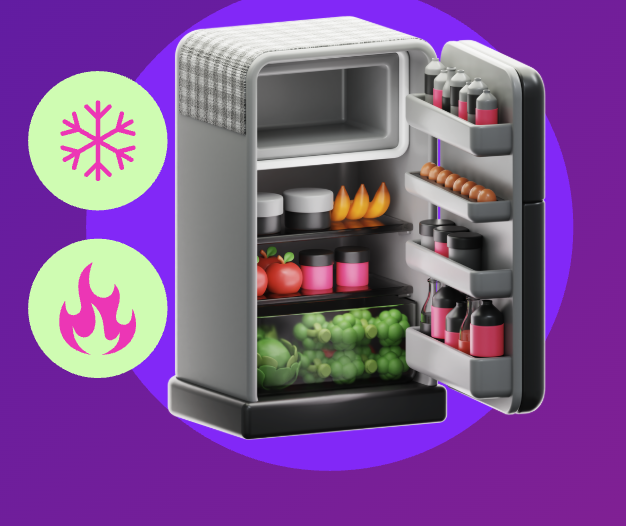
Beyond food waste at home, it is also important to reduce food waste during future trips to the grocery store. Before leaving home to shop for groceries, assess your inventory and create meal plans. According to the Mayo Clinic Health System, even consider buying the “ugly” produce. iThe oddly shaped produce is often left to the side.
So… Why Does Flash Grüb Care?
We’re not just a food platform, we’re a movement.
We connect businesses with surplus food to people who need it, while cutting food waste while fighting food insecurity and climate change. But for that to work, people need to trust what they’re eating. And trust starts with transparency.
Food labels empower all of us, especially communities that rely on redistributed or donated food, to eat safer, smarter, and more sustainably.