
It is no secret that alongside New York City being home to over 8 million people, a whole lot of rats roam the streets with us just as frequently.
Whether or not you have seen the viral videos of rats munching away at pizzas, it is a reality that rats are scurrying more in subway stations and pedestrian areas. In the past year, as a New Yorker, I have seen more rats running across subway station staircases and roads than my past 10+ years combined!
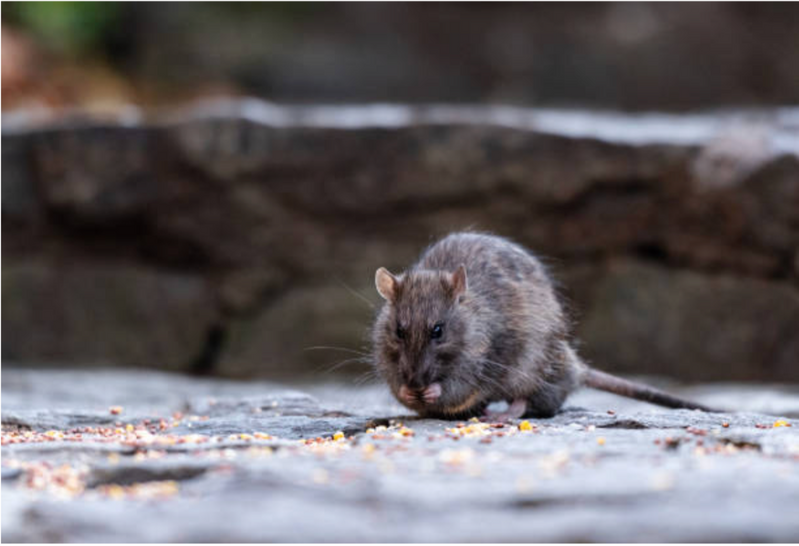
What is fueling this rat race that is overrunning the city? Is it a crisis that can be averted? Pinpointing the cause, food waste is a major issue for not just the city, but also our personal lives.
It is no secret that alongside New York City being home to over 8 million people, a whole lot of rats roam the streets with us just as frequently.
Whether or not you have seen the viral videos of rats munching away at pizzas, it is a reality that rats are scurrying more in subway stations and pedestrian areas. In the past year, as a New Yorker, I have seen more rats running across subway station staircases and roads than my past 10+ years combined!
NYC Food Waste on the Environment
Here is how food waste is impacting our city amid rat infestations:
It is well known that greenhouse gases are harmful to the environment. Food waste happens to be a major player, making up for a shocking 20% of New York City’s greenhouse gas emissions! Waste is often left as an afterthought, and seemingly harmless.
Next time we take a look at our leftovers, it might be wise to think about our ecological footprint.
When we toss our leftovers, the food and other organic waste are sent to landfills, break down and emit methane – a significant contributor to climate change.
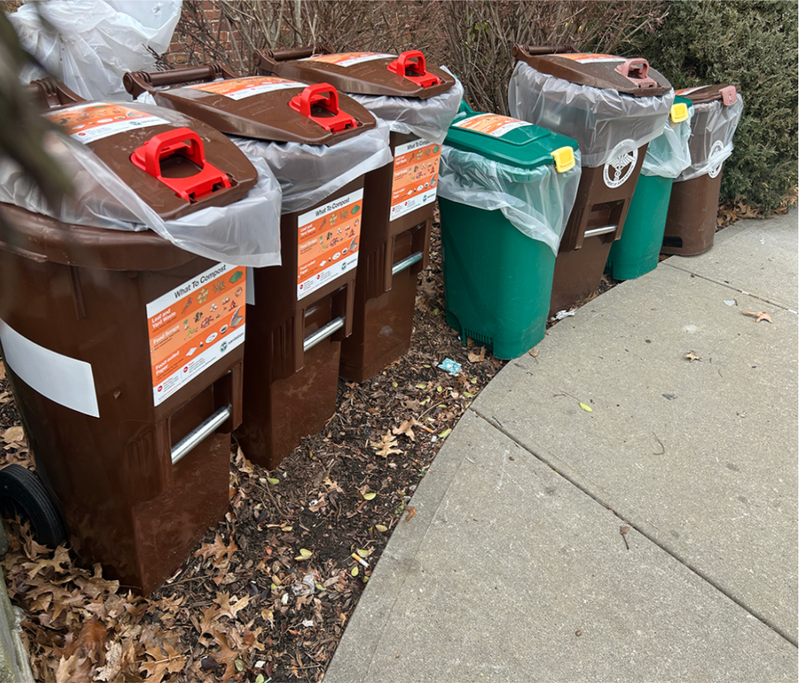
Food waste not only impacts our climate, it also impacts the sanitation of our city. In fact, post-pandemic, NYC has seen a 60% increase in rat complaints! It is no wonder I have seen more rats, and I am not alone in this.
More food waste leads to a thriving, fed rat population. To make our city a cleaner and safer place, with less pollutant emissions, we need to make every effort to work on rescuing our unnecessary food waste.