
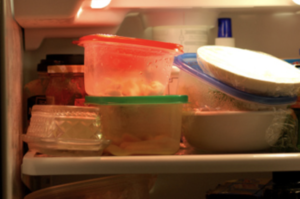
You open the fridge and spot the container of leftovers you promised yourself you would eat. Unfortunately, it has now entered the questionable stage: Is it still good, or has it started developing its own ecosystem?
Into the trash it goes…
Most people know that wasting food is bad for their wallets and the environment. They may even feel guilty when they do it. So why does it keep happening?
Research suggests that the answer has less to do with how much we care and more to do with our everyday habits.
Good Intentions Aren’t Always Enough
People rarely buy groceries with plans to throw them away. However, intending to waste less does not necessarily prevent food from going uneaten.
In a survey of 1,062 Danish consumers, researchers Violeta Stancu, Pernille Haugaard, and Liisa Lähteenmäki examined the attitudes, abilities, and routines associated with householdfood waste. They found that shopping habits, leftover reuse routines, and people’s sense of control over household food tasks were the strongest direct predictors of waste. Meal planning helped mainly because it shaped what people later bought and how they handled leftovers.
In other words, telling yourself to “do better” may not help much if your regular routine still involves buying without checking the fridge, forgetting leftovers, or purchasing more than you can finish.
Guilt Can Help, but It Has Limits
A 2021 study by Saman Attiq and colleagues examined food waste reduction among U.S. household consumers through three behaviors: reducing, reusing, and recycling food. The researchers found that anticipated guilt was positively connected to these behaviors. Environmental knowledge, awareness of the consequences of waste, and a sense of community were also associated with stronger waste reduction behavior.
This suggests that emotion can be useful when it encourages action before food is wasted. Knowing that you will regret throwing something away may motivate you to freeze it, share it, or use it in another meal.
However, guilt does not automatically break an established habit.
 When Guilt Becomes a Cycle
Researchers Sally Russell and colleagues followed 172 consumers through four questionnaires over 14 months. Their findings revealed an unexpected pattern: participants who felt stronger negative emotions about food waste intended to reduce it, yet also reported wasting more food. Habits remained an important predictor of what people actually did.
Guilt may arrive only after food has already spoiled. At that point, it creates frustration without necessarily preventing the same situation from happening again.
A more useful response is curiosity: Why did this food go uneaten? Did you forget it was there? Buy too much? Store it somewhere difficult to see? Identifying the pattern gives you something concrete to change.
Make Wasting Food Less Automatic
Because food waste often happens through routine, the best solutions are simple enough to become routines themselves.
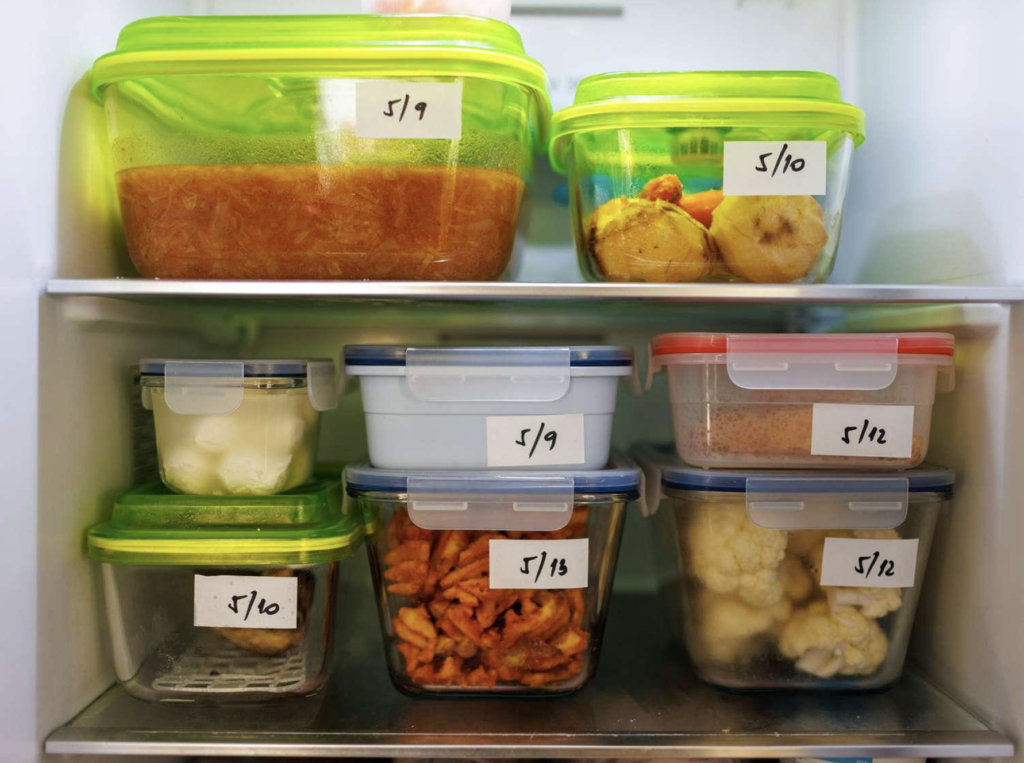
Before grocery shopping, check what you already have and build your list around it. Keep food that needs to be eaten soon where it is visible instead of hiding it behind newer groceries. Store leftovers in clear containers and decide when you will eat them.
Proper fridge organization can also make those habits easier. Flash Grub recommends placing ready to eat foods and leftovers on the top shelf, dairy on the consistently cold middle shelf, meat on the bottom, and condiments in the warmer refrigerator door. https://flashgrub.com/food-storage-tips-fridge/ (shortcut to the other article)
You can also create an “eat first” section for aging produce, open packages, and leftovers. This reduces the mental effort of deciding what to eat and makes the low waste option the easiest one.
Small Habits, Less Waste
The psychology of food waste reminds us that caring is important, but routines often determine what actually happens.
Instead of relying only on willpower or feeling guilty after food spoils, focus on making small changes before it happens. Check your fridge, shop with a plan, keep older food visible, and make leftovers easy to reuse.
Your brain loves a routine. You might as well give it one that saves food.

References:
Attiq, Saman, et al. “Drivers of food waste reduction behaviour in the household context.” Food Quality and Preference 94 (2021): 104300.
Russell, Sally V., et al. “Bringing habits and emotions into food waste behaviour. ” Resources, Conservation and Recycling 125 (2017): 107-114.
Stancu, Violeta, Pernille Haugaard, and Liisa Lähteenmäki. “Determinants of consumer food waste behaviour: Two routes to food waste.” Appetite 96 (2016): 7-17.