
Oftentimes when trying to find ways to help with NYC food rescue, I tend to feel overwhelmed. Composting, finding sustainable food brands, eating more plant-based meals and other practices are, no doubt, improving sustainability in the city, but these can feel like big steps in changing regular habits.
In truth, you can tackle sustainable food from your own fridge, through ingredients you already own. What you might view as scraps past their prime and ready to toss into the dump can actually provide for multiple meals in the future.Here are three different ways to turn what you might think of as scraps into staples.
Here are three different ways to turn what you might think of as scraps into staples.
I used to think the bottoms of green onions and scallions were inedible, made to be tossed away. I’ve forgotten that food is made to be regrown, and not just on a farm or field, but also in your own home.
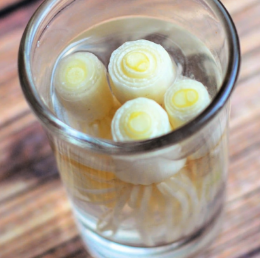
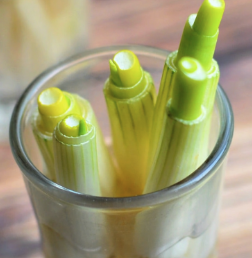
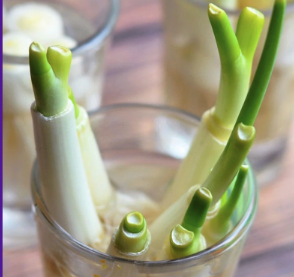
Next time instead of throwing these “kitchen-scraps” out, try sticking them in a jar of water, making sure the roots are submerged, and placing it next to a sunny window. Some other people find success by planting the ends in soil, burying them an inch deep and regularly watering them.
Credit: Happy Mothering
A plant’s life can begin at what you might think is its end.
And why pass on what’s basically an infinite food glitch?
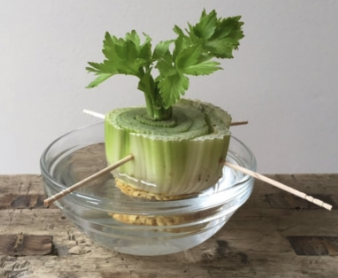
You can also try growing other produce using their
scraps with celery stems, and the bottoms of onions.
Old Fruit and Jams
Oftentimes the downfall to buying fresh produce is just how quickly it spoils, especially summer fruits which generally last only up to 1 week. Let a girl eat summer produce while it’s in its prime…! Turns out preserving these goodies for a longer shelf life isn’t hard if you simply turn to jams or jellies.
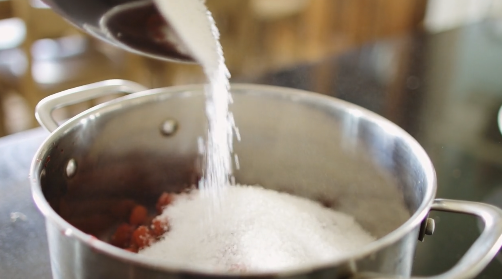
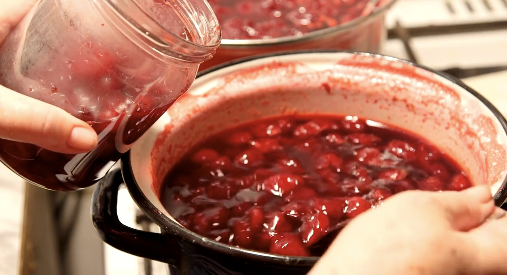
Making jam is a simple process:
- Cut up your fruit as desired, mixing it with sugar to bring out its juices. Let sit (ideally
overnight) in the fridge/freezer. - Add lemon juice (at this point it is also servable as a syrup to eat with ice creams, milks,
or anything else!). - Bring the mixture to a boil until it thickens, and pour into a glass jar.
There are several other positives to making your own jams besides shelf life as well,
including control over sweetness, discovering fruit combinations, and simply adding
another kitchen skill to your collection, which can also double as great gifts.
Stock up on Stocks
Stocks and broths from scraps and bones
Save your scraps! Collect every other odds and ends, and skins and scraps you have,
cumulating them in a bag and keeping them in the freezer. Avoid white potatoes and
cruciferous vegetables (broccoli, cauliflower, kale, etc.). Once you have enough, in a pot,
cover your scraps with water just below the veggies, allowing for a more flavorful broth.
Save your scraps! Collect every other odds and ends, and skins and scraps you have,
cumulating them in a bag and keeping them in the freezer. Avoid white potatoes and
cruciferous vegetables (broccoli, cauliflower, kale, etc.). Once you have enough, in a pot,
cover your scraps with water just below the veggies, allowing for a more flavorful broth.
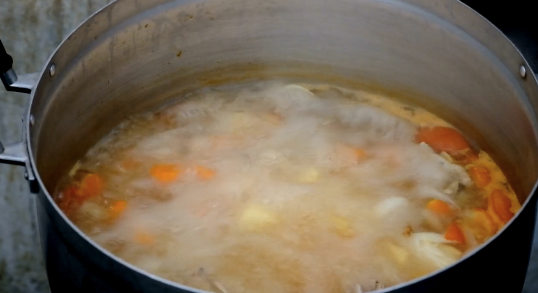
You can also make stocks and broths from bones and scraps of meat, providing an easy,
affordable, and nourishing ingredient to your kitchen. Find out how to make bone broth
here.
Homemade Veggie Broth from Scraps: Save Money & Flavor | TikTok
Oftentimes we forget that our whole kitchen can be used, from old ingredients down to
scraps you never thought were edible. Instead we opt to toss out perfectly fine food,
spending more on new groceries. However, food sustainability does not have to be an extra
step in our regular food habits—instead it can be a chance to widen your cooking
repertoire and create a more affordable diet.
Save, don’t scrap!